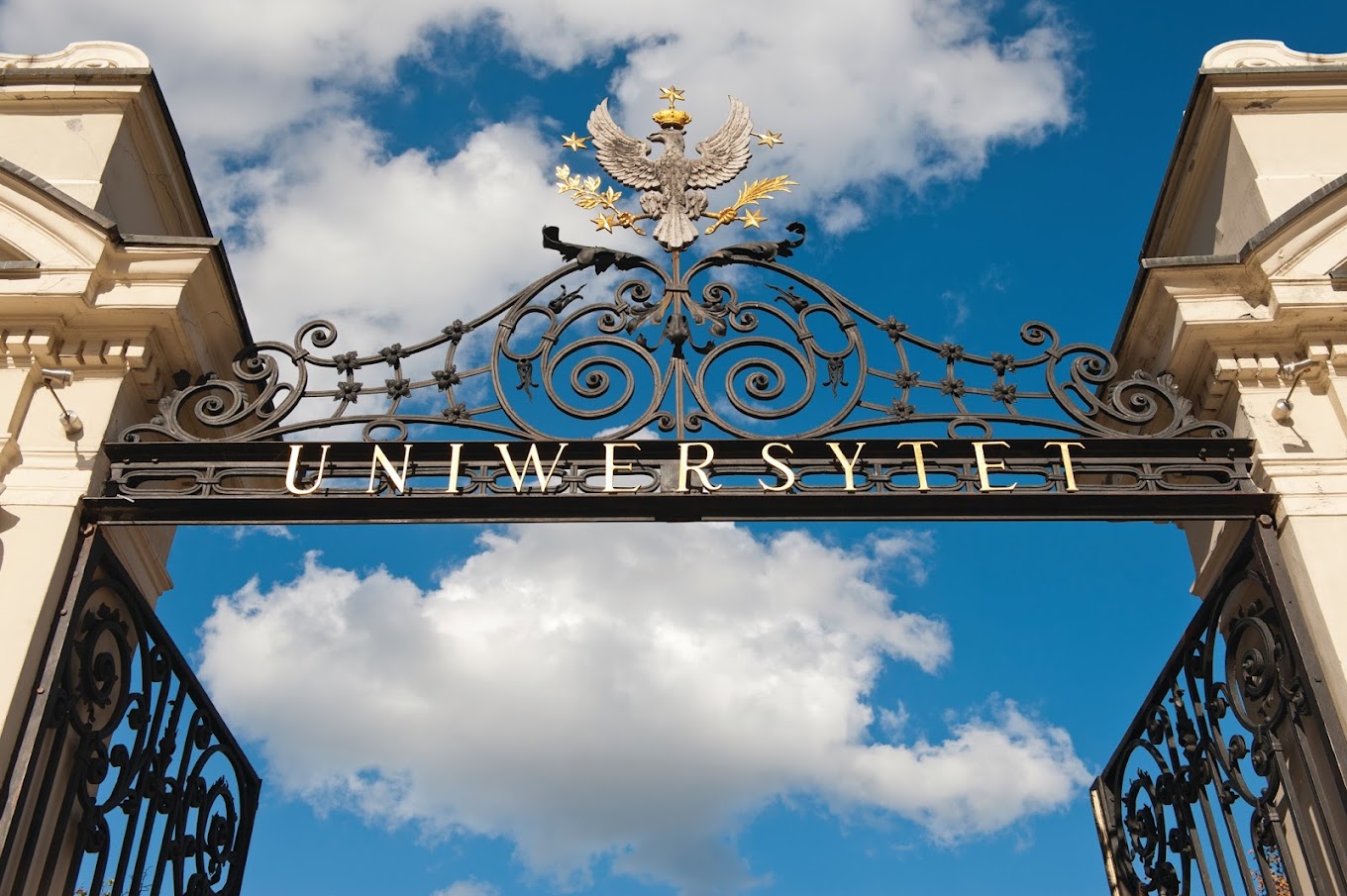
Hi, I’m Maulana Ragil Zakariah, a 3rd-year international student at Universitas Gadjah Mada. As part of the university’s international program, all students are required to complete at least one international exposure, and I chose to participate in a student exchange. When I first applied, I never imagined how transformative the experience would be. As a chemistry student, my exchange was not just about academics; it was an opportunity to immerse myself in a vibrant scientific community and gain fresh perspectives on research and innovation. This journey of self-discovery, cultural exchange, and personal growth is one I will always treasure.
Why Choose the University of Warsaw?


When choosing a university for a student exchange program, I prioritize institutions with a strong reputation, high academic performance, affordable living costs, and a student-friendly environment. The University of Warsaw, Poland’s largest university, encapsulates academic excellence across diverse fields. While its renowned chemistry department initially attracted me with its advanced research facilities, I soon found myself immersed in a vibrant academic community spanning linguistics, social sciences, economics, and cultural studies. Warsaw also offers an outstanding quality of life at a fraction of the cost compared to other European capitals.
- Food: Meals at the university canteen cost just 8-20zł (approximately Rp32.000 to Rp80.000), making dining affordable. Grocery shopping is also budget-friendly, and cooking at home can further help reduce food expenses.
- Accommodation: Student dormitories are highly affordable, starting at around 529zł (approximately Rp2.100.000) per month. Even if you opt for a shared flat in the city center, the cost ranges from 1000-1500zł (Rp4.000.000 – Rp6.000.000) per month—a bargain compared to cities like Paris or London.
- Transportation: Students benefit from substantial discounts on public transport passes. A 3-month pass costs around 140zł (approximately Rp550.000), providing unlimited access to Warsaw’s extensive network of buses, trams, and metros.
- Entertainment: Many museums offer free entry on select days, and student discounts are readily available for cinemas, theaters, and concerts. A discounted cinema ticket for students costs about 20zł (around Rp80.000).
Key highlights in University of Warsaw:
- Over 40,000 students across 25 faculties and over 30 research units
- A rich history dating back to 1816
- Consistently ranked as one of the top universities in Poland and Eastern Europe
- Strong international connections and diverse student body
Preparing for Your Exchange
The Application Process
The registration process is simple—just sign up on the University of Warsaw website and apply for the Visiting Student Program. The application deadlines are November 15th for the spring semester and May 15th for the fall semester.
Securing Necessary Documents
- University of Warsaw Application Form (signed and stamped by a representative of the applicant’s home institution)
- Transcript of Records from recent studies or copy of the last achieved University diploma (issued in English or Polish)
- Motivation letter
- Language Certificate proving at least a B2 level of Polish or English
- Scan of a passport or a national ID
- Recommendation letter from Faculty in Home University (can be requested via faculty email)
- Recommendation letter from Home University (can be requested via Office International Affairs Home University if point 1 and 6 is done).
You can try to look at the classes provided here: https://informatorects.uw.edu.pl/en/courses/
In my motivation letter, I emphasized not only my passion for chemistry but also my desire to explore Polish culture and history, and to gain a European perspective on global issues.
Cultural Immersion
The University of Warsaw is a cultural melting pot. Here’s how I made the most of it:
- Attended Polish language classes, which were both challenging and hilarious
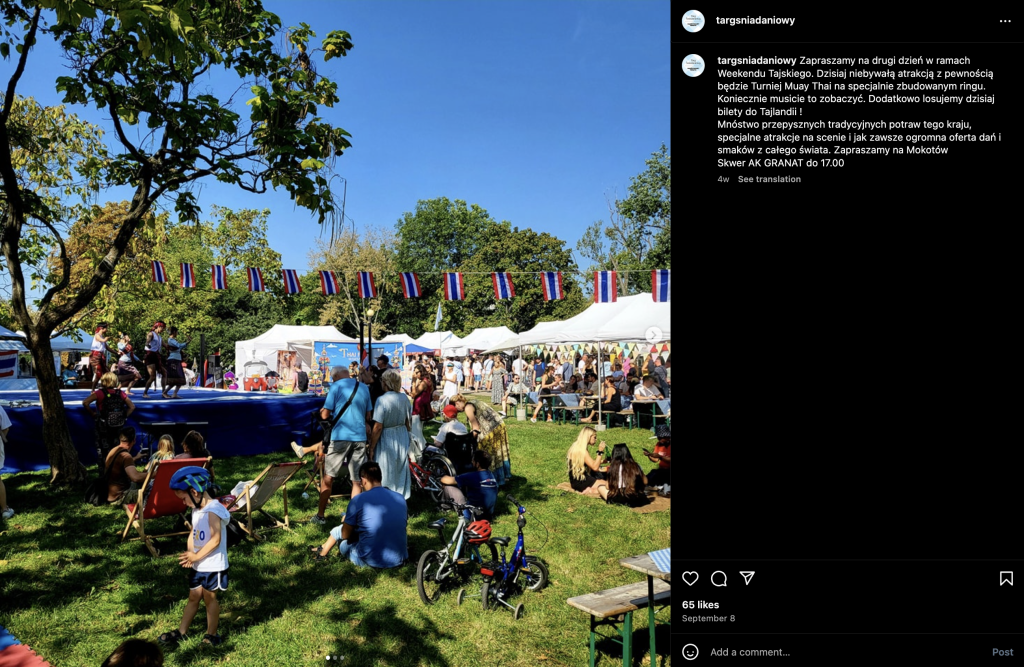
- Targ Śniadaniowy summer festival.
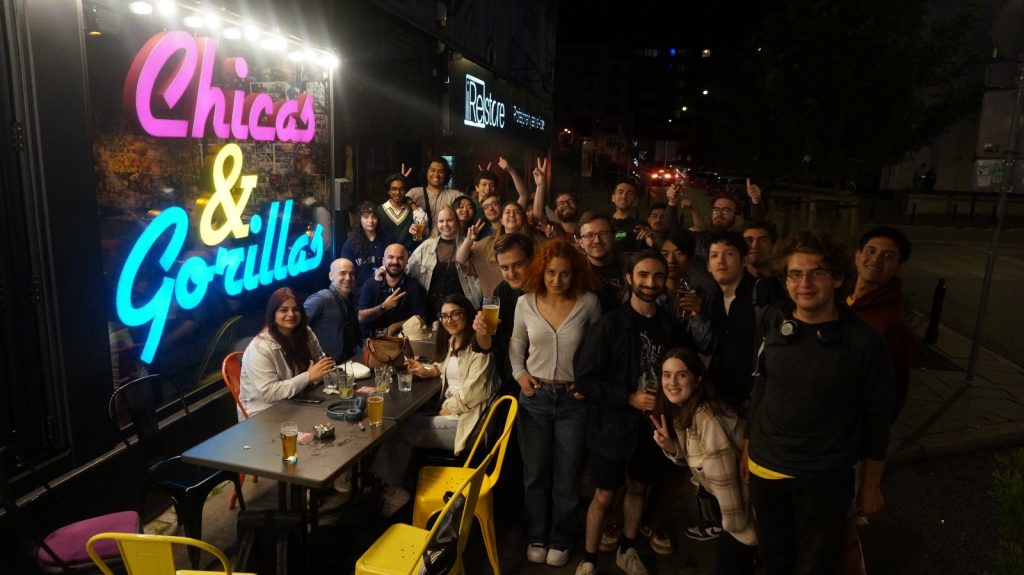
- Cultural evenings organized by various student associations, showcasing global diversity
Exploring Warsaw and Beyond
- Old Town (UNESCO World Heritage site)
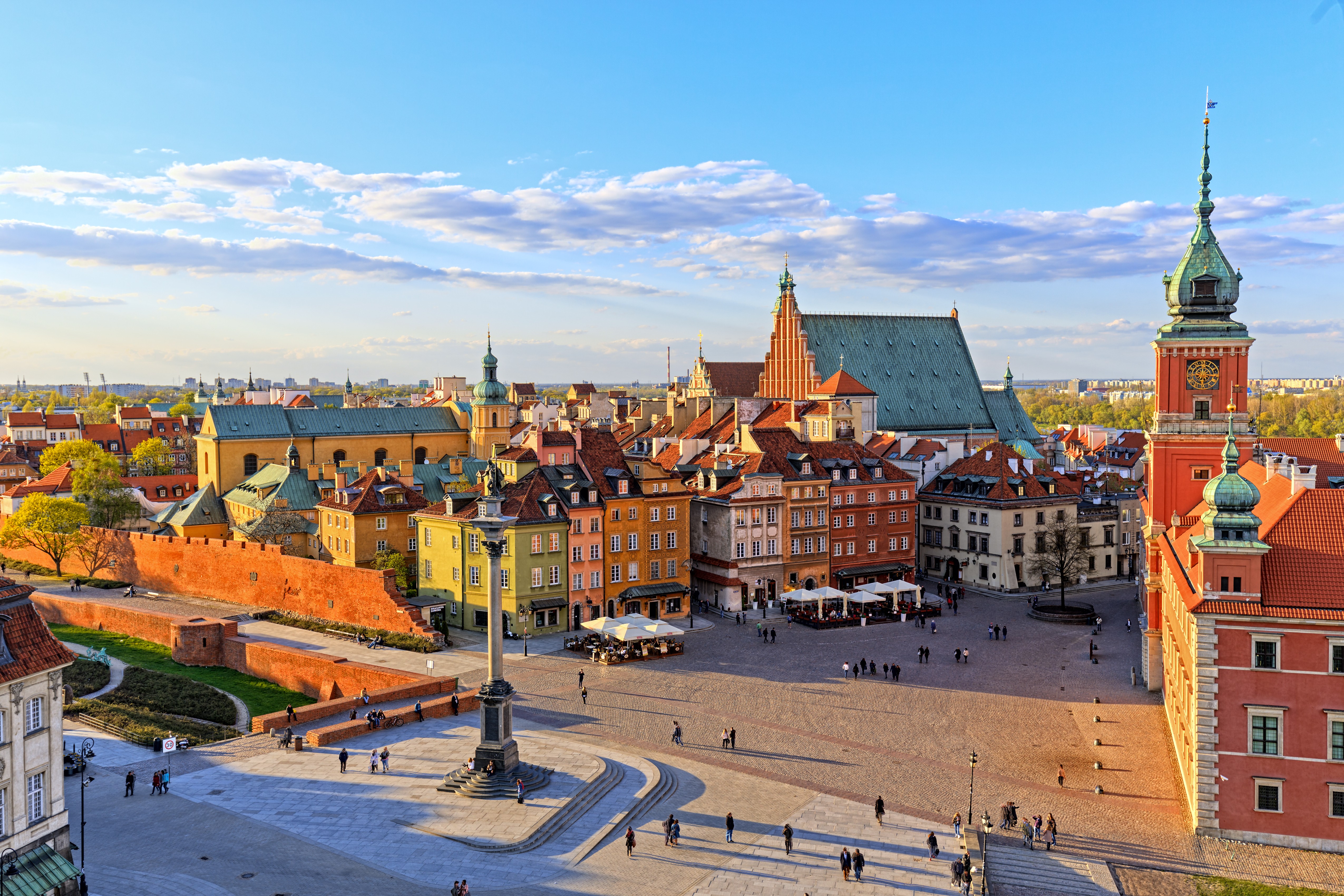
Warsaw itself is a living history lesson and a testament to resilience. Must-visit places:
- POLIN Museum of the History of Polish Jews
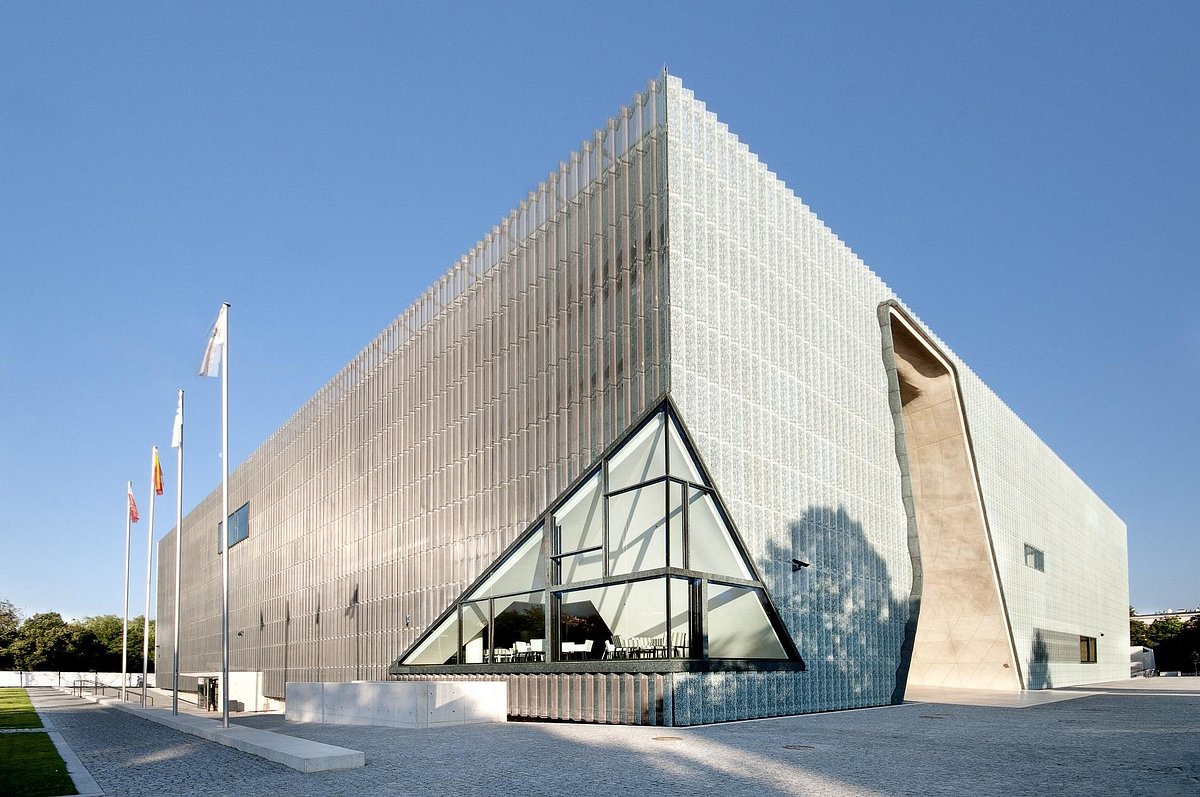
- Łazienki Park – perfect for studying or relaxing

- Copernicus Science Centre – fascinating for science enthusiasts and general public alike

The university’s central location makes it convenient to explore Poland and neighboring countries. Weekend trips to cities like Krakow, Gdańsk, and even Prague offer exciting opportunities for discovery and adventure!
Personal Growth and Challenges
When I first arrived in Warsaw, the challenges hit me like a breath of icy winter air – quite literally! Coming from Indonesia’s tropical climate, I was utterly unprepared for the Polish weather. The concept of four distinct seasons was entirely new to me. I remember my first winter (even though I came at the end of the winter), fumbling with layers of unfamiliar clothing and marveling at my first snowfall. The short daylight hours in winter took a toll on my mood, and I had to consciously work on staying positive during those days.
The language barrier was another hurdle I hadn’t fully anticipated. While many young Poles spoke English, I often found myself in situations where only Polish was spoken. Simple tasks like grocery shopping or asking for directions became adventures in themselves. I quickly learned that a smile and a few basic Polish phrases could go a long way. Still, there were moments of frustration, especially when dealing with administrative tasks at the university or trying to understand announcements on public transport.
Cultural differences surprised me in unexpected ways. I’m used to the warm, outgoing nature of Indonesian society, so the more reserved public behavior in Poland initially struck me as cold. It took time to understand that this wasn’t unfriendliness, just a different cultural norm. The direct communication style here also caught me off guard – what I first perceived as rudeness, I later recognized as simply a more straightforward way of speaking.
Food was another adjustment. I missed the spicy flavors of home and the abundance of rice at every meal. Polish cuisine, with its focus on meat and potatoes, was a significant change. As a Muslim, finding halal options was challenging at first, but I gradually discovered stores and restaurants that catered to my dietary needs. I even learned to cook some Polish dishes, adding my own spicy twist!
Homesickness hits hard sometimes, especially during Indonesian holidays. The time difference made it difficult to connect with family and friends back home. I remember feeling particularly lonely during Eid, trying to recreate a semblance of celebration in my dorm room. However, this also pushed me to connect with other international students and even organize multicultural events, which became some of my fondest memories.
The academic system here required some getting used to. The emphasis on independent research and critical thinking was different from what I was accustomed to in Indonesia. I had to adapt my study habits and learn to speak up more in class discussions. It was challenging but ultimately rewarding, pushing me to grow as a student and thinker.
I often found myself being an unofficial ambassador for Indonesia. Many people I met had limited knowledge about my home country, and I frequently had to explain aspects of our culture or correct misconceptions. While sometimes tiring, these conversations also made me appreciate my own culture more and sparked some interesting cross-cultural friendships.
Managing my finances in złoty took some practice. I had to learn to budget in a new currency and navigate a different banking system. International transfers from home came with fees I hadn’t anticipated, teaching me to be more careful with my spending.
Leisure activities here often revolved around things I had never tried before. I had my first awkward (but fun!) attempts at ice skating. While I missed some of my favorite Indonesian pastimes, I also discovered new hobbies and interests.
Despite these challenges, my time in Warsaw has been incredibly rewarding. Each obstacle overcome has been a lesson in adaptability and personal growth. I’ve gained a new perspective on the world, made lifelong friends from various cultures, and discovered strengths I didn’t know I had. To any fellow Indonesian students considering studying in Warsaw, I’d say: prepare for challenges, but also for an unforgettable adventure. Reach out to the university’s international office, and don’t be afraid to step out of your comfort zone. Your time here will transform you in ways you never expected.
My experience and tips for living in Warsaw
First of all, try to contact the University of Warsaw to get a student dorm. dormitories there are cheaper than apartments outside.

This is what the dormitory room looks like—comfortable and equipped with a refrigerator, two tables, two closets, and two beds. Once you’ve settled into your accommodation, you might wonder about food options. First, try cooking at home. If you’re not in the mood to cook, you can search for online food promotions, and if none are available, there are always affordable options to buy food outside.

This is what I usually cook—chicken boiled with spices, which I store in the refrigerator. When I’m ready to eat, I simply fry it for a quick meal.

When I’m too lazy to cook, I opt for instant noodles. Indomie is my go-to—delicious and budget-friendly.
If you have a roommate, try cooking for each other—it’s a great way to exchange dishes from your respective countries. This is the pasta my roommate from Italy made for me, and it both looks and tastes delicious.
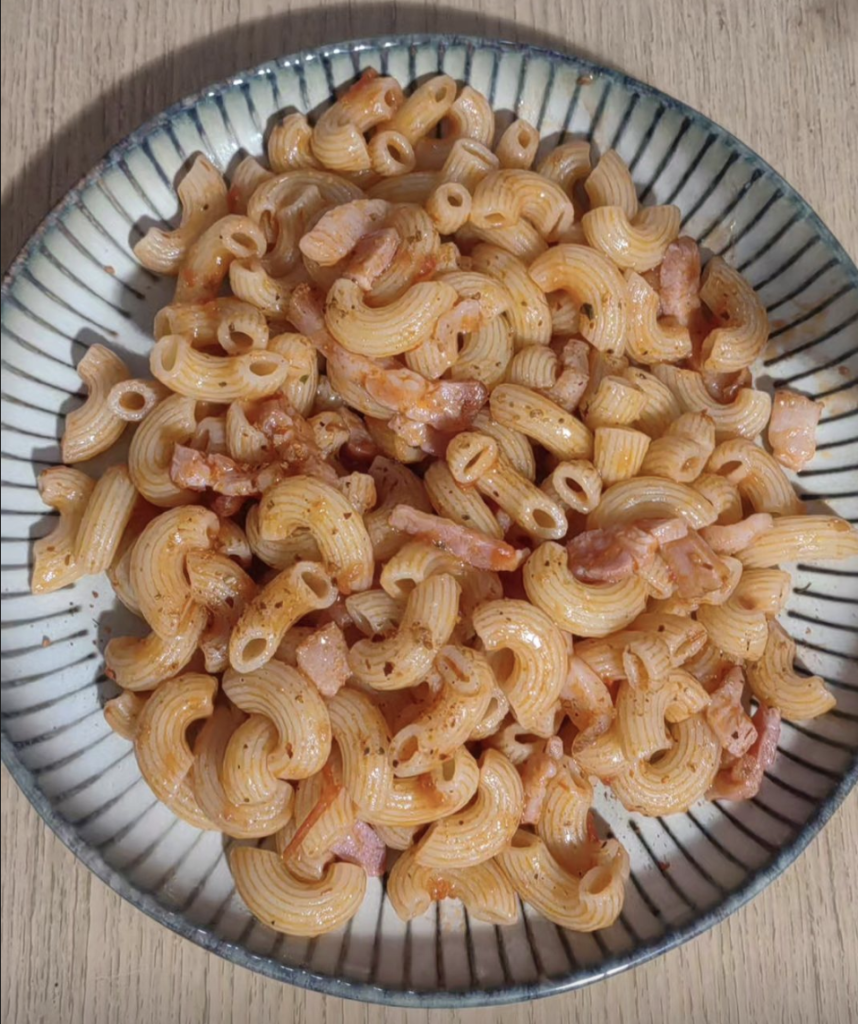
This is the pasta my roommate cooked.
And if you are bored, you can just go outside and take a look at Warsaw’s park. There are many beautiful parks in warsaw.

Here is Pole Mokotowskie park near Dormitory No.1 and 2 University of Warsaw.
You can also visit museums, attend classical concerts, opera performances, and more, all thanks to the “magical” student card. In addition to transportation discounts, it offers great deals on various entertainment options.

Here is the Fryderyk Chopin Museum in Warsaw, where you can explore everything about Chopin, including his final piano!
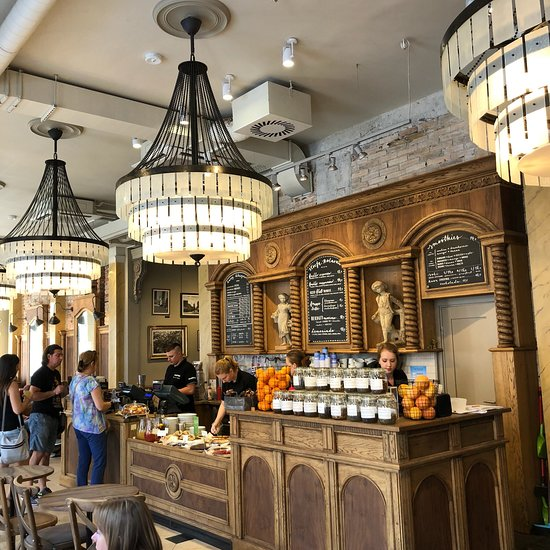
Tired of studying in the dormitory? Head over to Green Cafe Nero, where you’ll find a cozy study spot. Plus, for every purchase, you earn a stamp, and after collecting nine, you get a free coffee!
Planning to visit another city or even a nearby country? Take advantage of the comfortable and affordable Polish trains, and don’t forget to use your student discount!

I was feeling bored and decided to attend my favorite artist’s concert in the Netherlands. It was easy to take a train from Warsaw to Amsterdam and experience the best concert ever! Living in Europe is such an advantage—you can catch your favorite artists on their European tours and even explore other countries along the way.

Want to try dishes from various countries? Head to Targ Śniadaniowy, where you can sample international cuisine and enjoy cultural performances from different nations.

Additionally, Erasmus students often organize engaging events like karaoke, ice skating, and Polish language classes, humorously dubbed “Polish Your Polish.” These activities offer great opportunities for entertainment and socializing.
Academic Life at the University of Warsaw and advice for Future Exchange Students
Enough about lifestyle; let’s discuss academic life.
While my core studies focused on chemistry, the university’s flexible curriculum enabled me to explore subjects beyond my major. I took an eye-opening course on “Data Analysis in Python,” which linked my scientific interests to the region’s rich intellectual tradition.

The teaching style at the University of Warsaw encourages critical thinking and open dialogue. Whether in a chemistry lab, classroom, or seminar, professors value student input and foster engaging discussions.
In contrast to many universities in Indonesia, the University of Warsaw offers unique and stimulating courses. I recommend taking not just the basic theory classes. For reference, here are some of the courses I took:
• Bioinformatics II
• Ionic Liquids
• Liquid Crystals
• Metrology in Chemistry
• Microemulsions of Biologically Active Compounds
• Physical Chemistry Lab
• Proteins as Molecular Targets in Drug Design
• Tools Supporting Data Analysis in Python
• Waste Management
To achieve high grades, it’s important to excel in exams. If you don’t understand the material presented by the lecturer, don’t hesitate to ask questions or visit them during office hours. The lecturers are very approachable and kind, especially towards students eager to learn.
Lastly, building friendships with Polish students is invaluable. They are intelligent and often willing to help with academic matters, as most have a strong understanding of their studies and are generous with their knowledge.
Conclusion
My semester in Warsaw transformed me not just as a chemistry student, but as a global citizen. The University of Warsaw offers more than just academic excellence in specific fields; it provides a holistic educational experience that prepares you for an interconnected world.
Leave a Reply